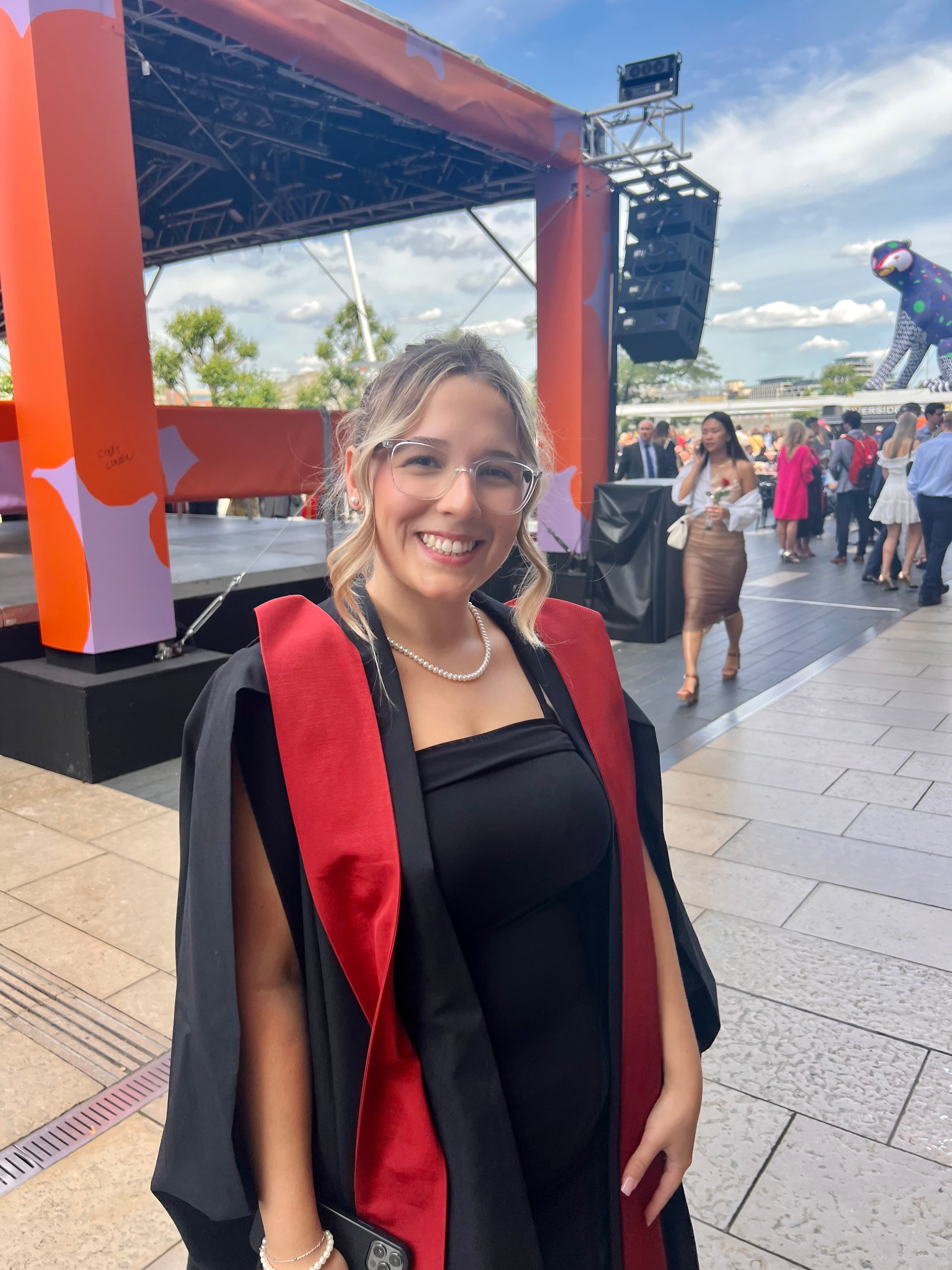
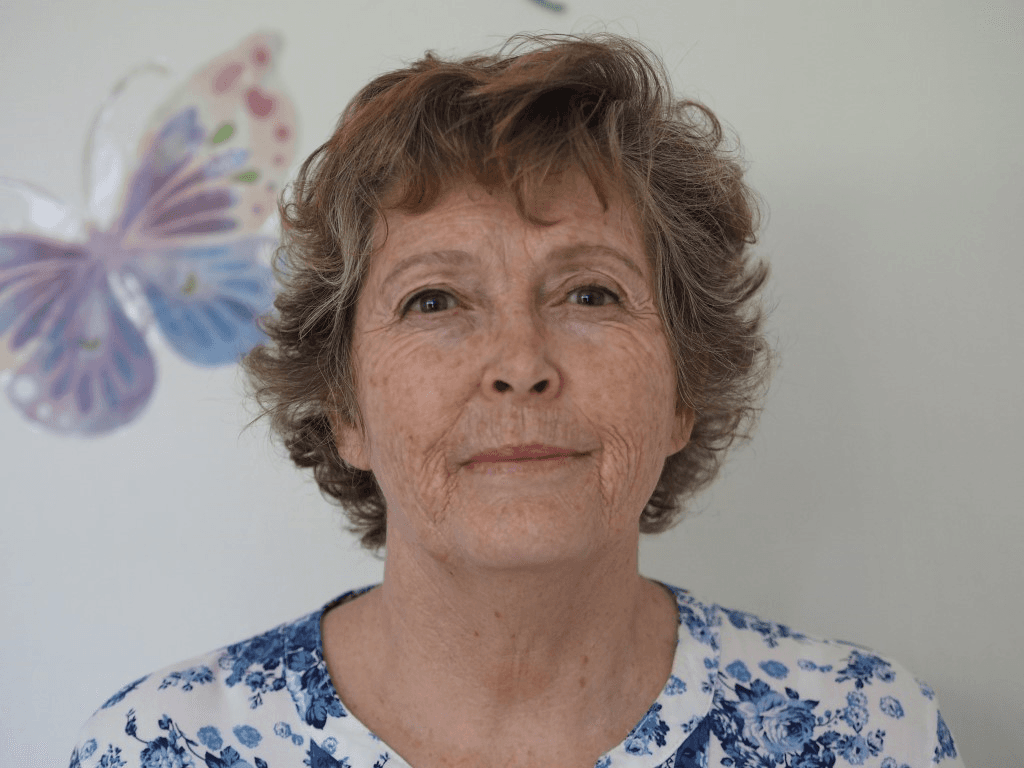
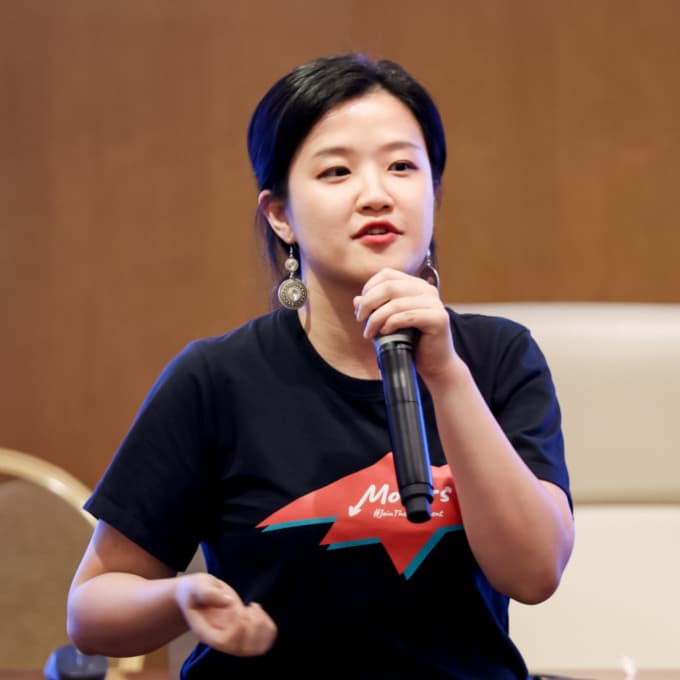
Alice Carli
Trainee Child Counsellor at Place2Be
“In a few months, Overcome provided me with more useful clinical experience than 3 years studying Psychology at university.”
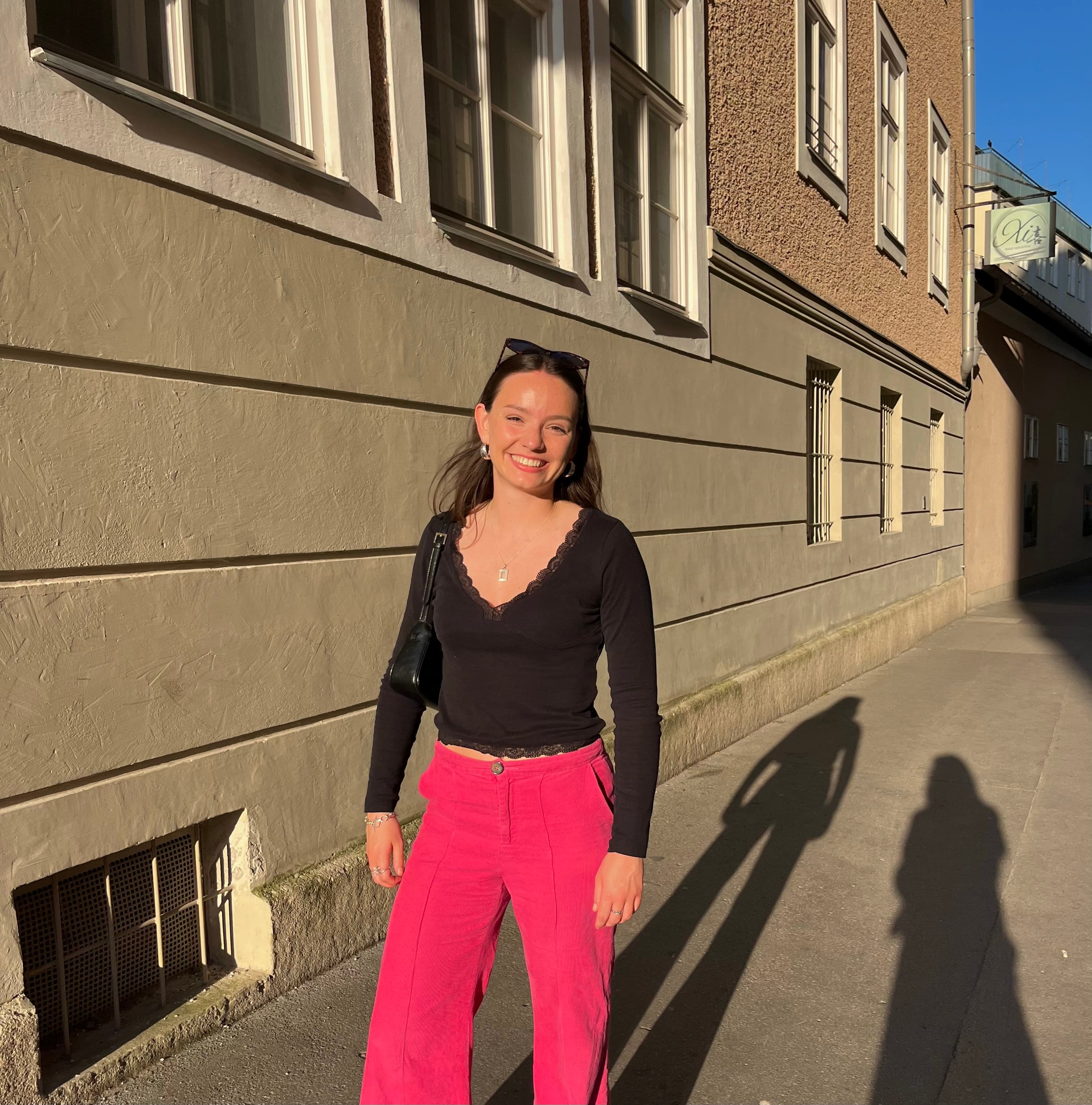
David Boudville
Provisional Psychologist at IPAR
“Four months at Overcome taught me more about CBT than an entire university course did, and way more about professional work than my last, formally 'clinical' internship.”
Isabelle Harden
Trainee PWP at NHS London
“I am almost certain that I wouldn't have been offered my PWP position without my experience at Overcome. I would 100% recommend this internship to anyone wanting a real-world bridge into clinical work.”
Aanya Lalchandani
Assistant Psychologist at Healios
“Overcome transformed my confidence and gave me the hands-on experience I'd been searching for to truly see myself as a developing clinician.”
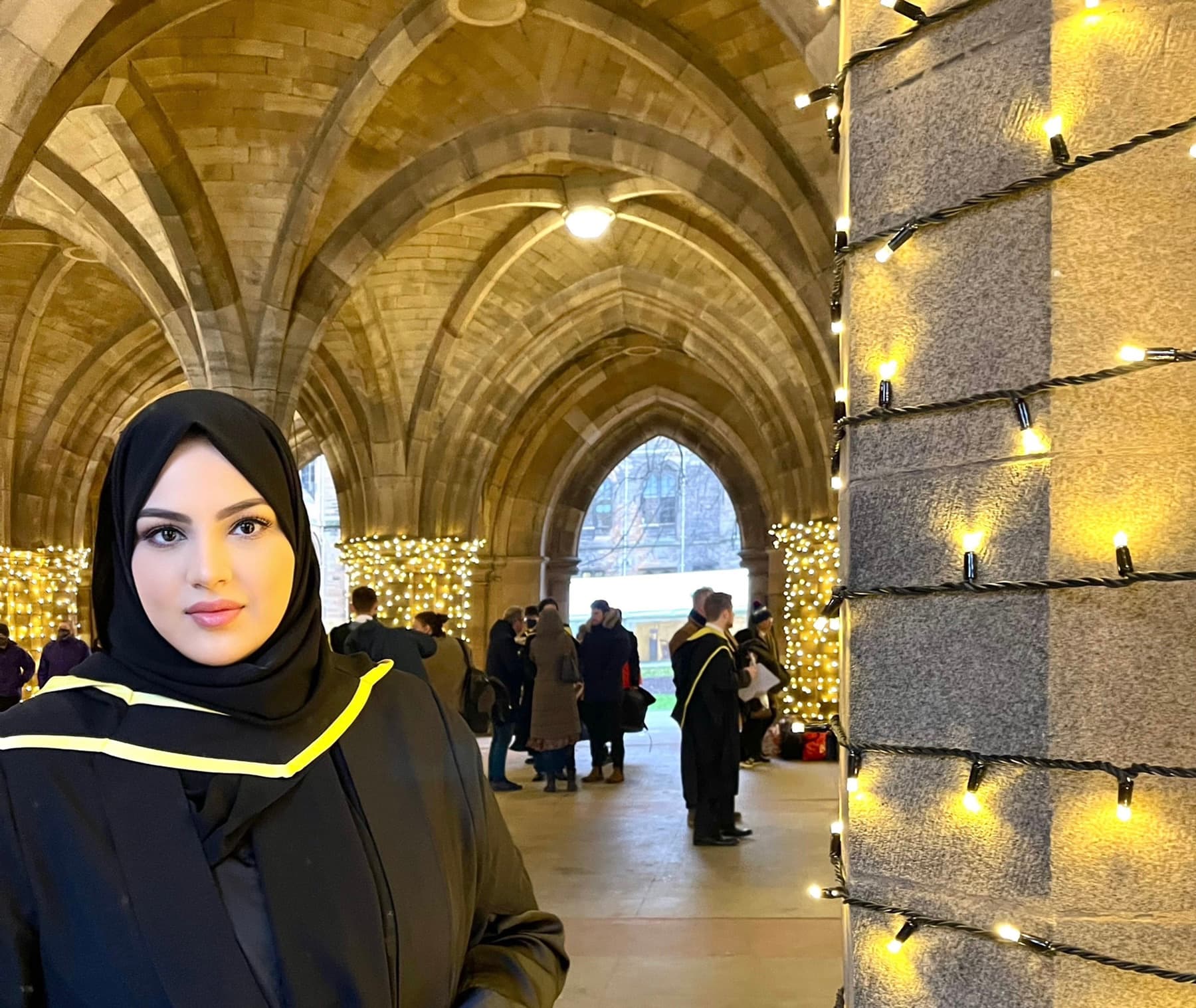
Maheen Asim
Counselling Psychology Doctorate Trainee at Glasgow Caledonian
“Overcome gave me the confidence, experience and support to turn my goal of becoming a counselling psychologist into a reality.”
Laura Koivula
Recovery Navigator at Access Community Trust
“Overcome has not only changed our clients' lives positively, but my life completely. I have gained confidence, made close friends, helped so many people and felt supported every step of the way.”
Magalie Eid
Assistant Psychologist at NHS London
“At Overcome, it's like a safe space. The team was very supportive, always willing to help. I will always carry the skills I learnt here with me.”
Iwona Zak
Occupational Therapy Assistant at NHS
“Overcome was exactly the push I needed. I gained invaluable clinical experience, confidence and motivation to pursue my career in mental health.”
Anonymous Former Coach
Trainee Clinical Psychologist at NHS
“My time at Overcome was incredibly rewarding. Seeing clients make positive changes and knowing that my support played a role in their progress was the most fulfilling part.”
Anastasiia Lialichkina
MSc Clinical Psychology at Erasmus
“In just a few months, Overcome gave me the confidence, training, and support I needed to step into real client work, and feel like I belong in this field.”
Ria Shoker
Wellness Practitioner at Changes Health
“My confidence and self-esteem as a coach has grown massively. I have developed so many new skills and now feel this field is absolutely right for me.”
Nandinee Rajkhowa
Eating Disorders Associate at Orri
“In these 3 months, Overcome helped me gain confidence in myself and shown me my unique strengths as a future practitioner.”
Milly Mak
Honorary Assistant Psychologist at NHS London
“Overcome gave me the practical experience and boosted my confidence in therapeutic skills. I would recommend this internship to anyone interested in experiencing client work firsthand.”
Alice Carli
Trainee Child Counsellor at Place2Be
“In a few months, Overcome provided me with more useful clinical experience than 3 years studying Psychology at university.”
David Boudville
Provisional Psychologist at IPAR
“Four months at Overcome taught me more about CBT than an entire university course did, and way more about professional work than my last, formally 'clinical' internship.”
Isabelle Harden
Trainee PWP at NHS London
“I am almost certain that I wouldn't have been offered my PWP position without my experience at Overcome. I would 100% recommend this internship to anyone wanting a real-world bridge into clinical work.”
Aanya Lalchandani
Assistant Psychologist at Healios
“Overcome transformed my confidence and gave me the hands-on experience I'd been searching for to truly see myself as a developing clinician.”
Maheen Asim
Counselling Psychology Doctorate Trainee at Glasgow Caledonian
“Overcome gave me the confidence, experience and support to turn my goal of becoming a counselling psychologist into a reality.”
Laura Koivula
Recovery Navigator at Access Community Trust
“Overcome has not only changed our clients' lives positively, but my life completely. I have gained confidence, made close friends, helped so many people and felt supported every step of the way.”
Magalie Eid
Assistant Psychologist at NHS London
“At Overcome, it's like a safe space. The team was very supportive, always willing to help. I will always carry the skills I learnt here with me.”
Iwona Zak
Occupational Therapy Assistant at NHS
“Overcome was exactly the push I needed. I gained invaluable clinical experience, confidence and motivation to pursue my career in mental health.”
Anonymous Former Coach
Trainee Clinical Psychologist at NHS
“My time at Overcome was incredibly rewarding. Seeing clients make positive changes and knowing that my support played a role in their progress was the most fulfilling part.”
Anastasiia Lialichkina
MSc Clinical Psychology at Erasmus
“In just a few months, Overcome gave me the confidence, training, and support I needed to step into real client work, and feel like I belong in this field.”
Ria Shoker
Wellness Practitioner at Changes Health
“My confidence and self-esteem as a coach has grown massively. I have developed so many new skills and now feel this field is absolutely right for me.”
Nandinee Rajkhowa
Eating Disorders Associate at Orri
“In these 3 months, Overcome helped me gain confidence in myself and shown me my unique strengths as a future practitioner.”
Milly Mak
Honorary Assistant Psychologist at NHS London
“Overcome gave me the practical experience and boosted my confidence in therapeutic skills. I would recommend this internship to anyone interested in experiencing client work firsthand.”